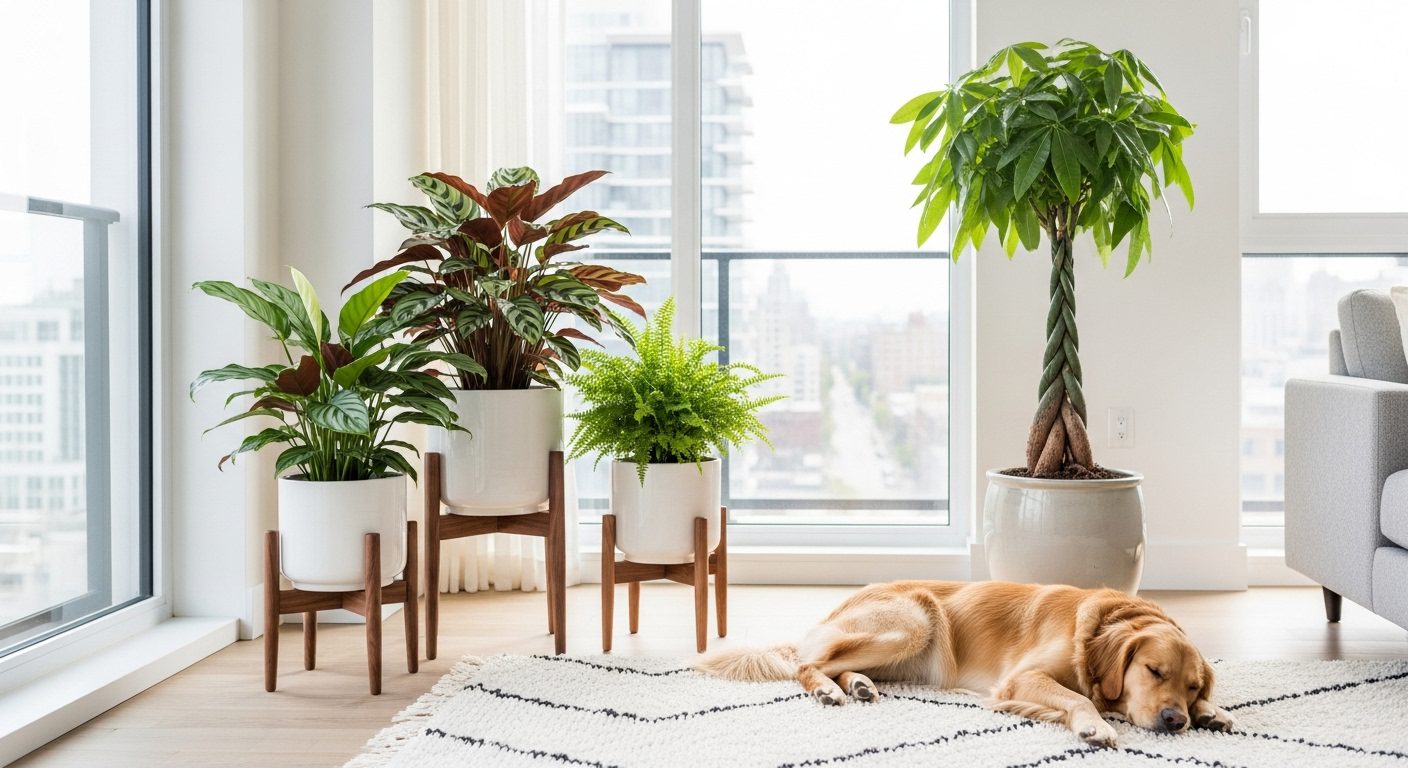
The modern urban apartment is often defined by its architectural constraints: sleek lines, concrete surfaces, and expansive glass windows that frame a bustling metropolis. To soften this stark industrial aesthetic and improve indoor air quality, the “Urban Jungle” interior design trend has exploded in popularity. Introducing lush, living greenery into a high-rise studio or luxury loft brings a vital sense of nature indoors.
However, for the discerning urban pet owner, this botanical pursuit presents a hidden, potentially lethal minefield. Purchasing a trending houseplant simply because it looks beautiful on a mid-century plant stand is a gamble you cannot afford to take.
At Smallpetliving, we operate under a strict code: high-end interior design must never compromise the biological safety of your animals. Many of the most popular, photogenic houseplants dominating social media feeds are highly toxic to felines and canines. In the confined square footage of an apartment, where pets are often left alone for hours, a bored animal will inevitably investigate, chew, or swat at trailing leaves.
Mastering the curation of pet safe indoor plants for apartments is a non-negotiable skill. This comprehensive, botanically precise guide will empower you to cultivate a stunning, breathable indoor garden while identifying the dangerous species you must permanently banish from your luxury home.
The Clinical Danger of Botanical Toxicity
Before we explore the safe options, it is imperative to understand the medical reality of plant toxicity in a confined urban environment. In a sprawling backyard, a dog or cat has a vast territory to explore and rarely fixates on a single toxic leaf. Inside a 800-square-foot apartment, a solitary potted plant becomes a highly prominent, interactive object of curiosity.
According to the toxicology experts at the ASPCA Animal Poison Control Center (APCC), thousands of emergency veterinary visits are triggered annually by indoor houseplant ingestion. The mechanisms of toxicity vary wildly. Many trendy plants contain insoluble calcium oxalates—microscopic, needle-like crystals that immediately penetrate the soft tissues of the mouth, throat, and gastrointestinal tract upon chewing. This causes agonizing burning, severe swelling of the airway, and vomiting. Other plants contain systemic toxins that directly attack the liver or kidneys, leading to irreversible organ failure within 48 hours.
When you curate pet safe indoor plants for apartments, you are actively preventing catastrophic medical emergencies and protecting your peace of mind while you are away at the office.
The Safe List: 9 Gorgeous Pet-Safe Indoor Plants for Apartments
You do not have to sacrifice your aesthetic vision for safety. The botanical world offers an abundance of non-toxic, architecturally stunning plants that thrive in the unique microclimates of urban apartments.
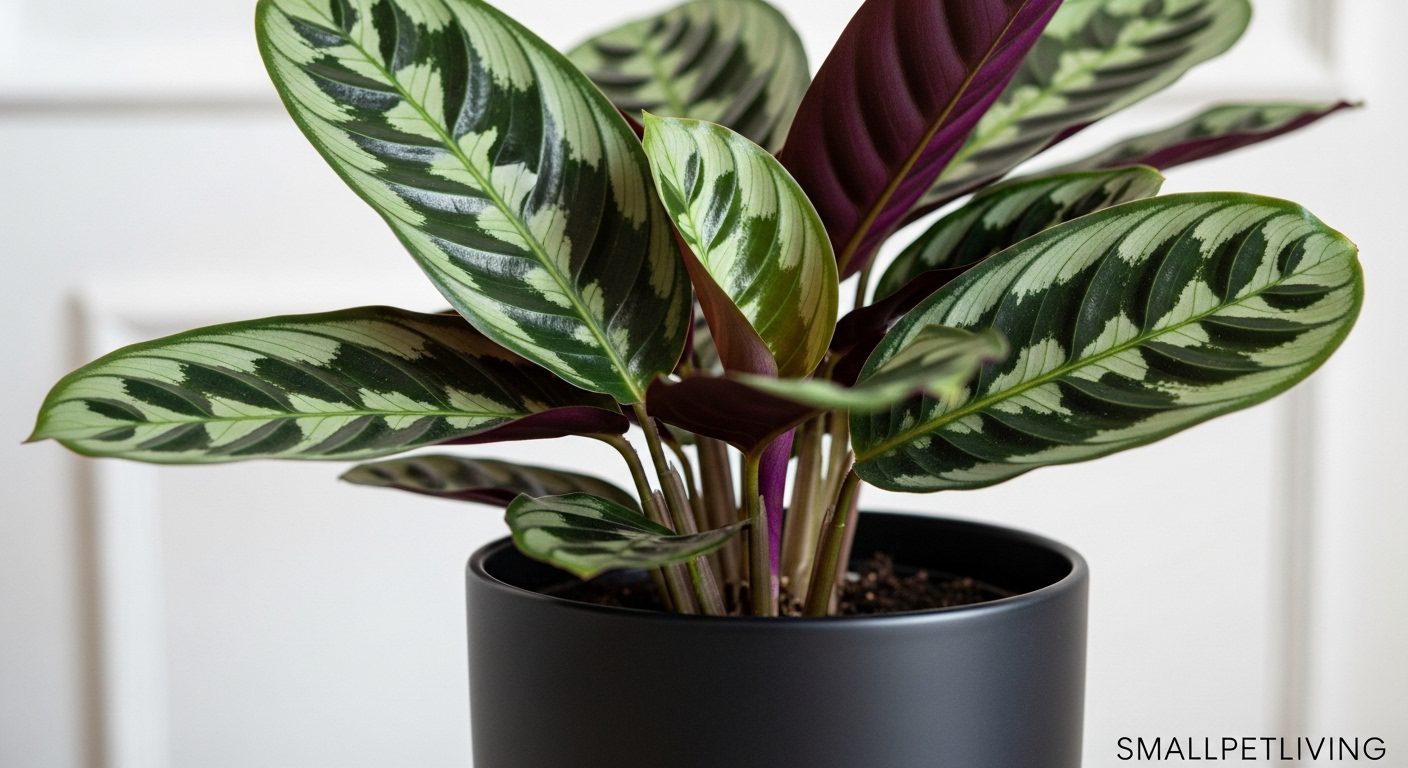
1. The Calathea (Prayer Plant Family)
- Botanical Name: Calathea spp.
- The Aesthetic: Known for their striking, vividly patterned leaves featuring stripes of deep green, silver, and vibrant purple undersides. They bring dramatic, tropical flair to any modern living room.
- Apartment Care: Calatheas are perfect for urban living because they actually prefer lower, indirect light. They require high humidity, making them excellent candidates to place near your high-performance HEPA air purifier if it has a built-in humidifier.
2. The Spider Plant
- Botanical Name: Chlorophytum comosum
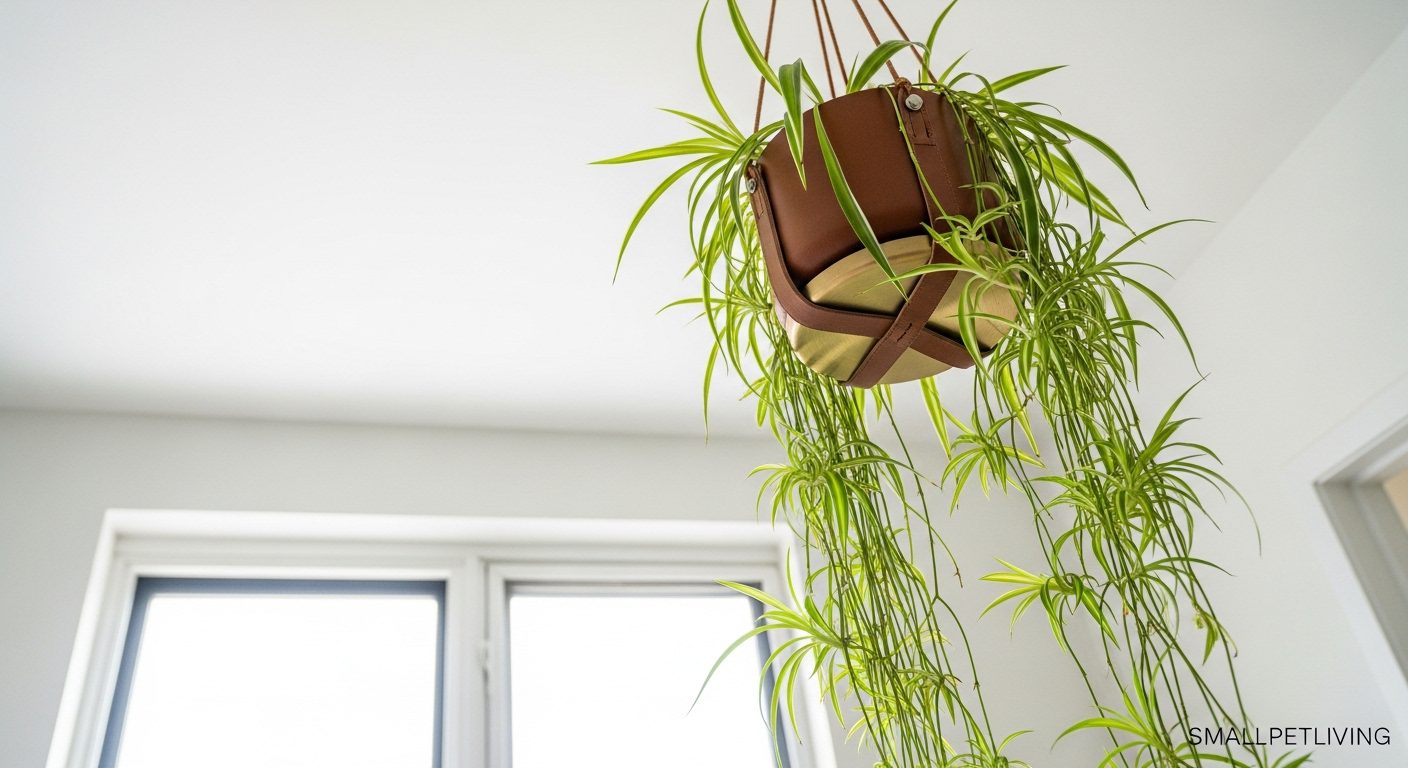
- The Aesthetic: Featuring cascading, ribbon-like foliage, this plant is an interior design staple for a reason. It produces charming “spiderettes” that trail down elegantly.
- Apartment Care: This is the ultimate beginner plant. It is incredibly resilient and thrives in hanging planters. Suspending a Spider Plant from the ceiling using a sleek macramé or leather hanger keeps it visually interesting while utilizing vertical space in a small studio.
3. The Boston Fern
- Botanical Name: Nephrolepis exaltata
- The Aesthetic: Lush, feathery, and voluminous. A large Boston Fern on a pedestal adds instant luxury and softness to rigid architectural lines.
- Apartment Care: Ferns crave moisture and humidity. They are the absolute perfect addition to a spa-like apartment bathroom with frosted windows, as they thrive in the indirect light and steam from the shower.
4. The Parlor Palm
- Botanical Name: Chamaedorea elegans
- The Aesthetic: If you want a tall, structural floor plant but cannot risk the highly toxic Sago Palm, the Parlor Palm is your savior. It features elegant, arching fronds that cast beautiful shadows against clean white walls.
- Apartment Care: It is one of the few true palms that can survive in lower light conditions typical of high-rise apartments facing north or adjacent buildings.
5. The Peperomia (Radiator Plant)
- Botanical Name: Peperomia spp.
- The Aesthetic: Compact, thick-leaved, and highly textured. There are over 1,000 species, ranging from the Watermelon Peperomia to the deeply crinkled Emerald Ripple.
- Apartment Care: Because they max out at around 12 inches tall, Peperomias are the quintessential pet safe indoor plants for apartments when you need a small, stylish accent for a bookshelf, a home office desk, or a narrow windowsill.
6. Haworthia (The Zebra Plant)
- Botanical Name: Haworthiopsis attenuata
- The Aesthetic: A striking, spiky succulent featuring dark green leaves banded with white, pearl-like stripes. It looks incredibly modern when potted in a minimalist concrete or matte black ceramic vessel.
- Apartment Care: Many popular succulents (like Aloe Vera) are toxic to pets. Haworthia is a perfectly safe, low-maintenance alternative that requires minimal watering and enjoys bright, indirect sunlight on a balcony window.
7. The African Violet
- Botanical Name: Saintpaulia
- The Aesthetic: Finding safe plants that actually bloom indoors is challenging. African Violets offer clusters of vibrant purple, pink, or white flowers sitting above fuzzy, dark green leaves.
- Apartment Care: They require consistent moisture and bright, indirect light. They are perfect for adding a pop of color to a kitchen island or a well-lit dining table.
8. The Cast Iron Plant
- Botanical Name: Aspidistra elatior
- The Aesthetic: Featuring large, dark green, paddle-shaped leaves, it provides a stately, minimalist presence.
- Apartment Care: It earned its name by being nearly indestructible. It survives in deep shade, tolerates infrequent watering, and is completely unfazed by dry apartment heating in the winter.
9. The Money Tree
- Botanical Name: Pachira aquatica
- The Aesthetic: Famous for its braided trunk and canopy of star-shaped leaves, it is a stunning statement piece often used in Feng Shui to attract positive energy.
- Apartment Care: It is one of the best large-scale pet safe indoor plants for apartments. It requires deep, infrequent watering and does well under artificial LED grow lights if natural sunlight is scarce in your unit.
The Toxic 3: Plants You Must Banish Immediately
Curating a safe urban jungle also means knowing what to reject. The following three plants are currently dominating interior design magazines, but they possess severe toxicological profiles and have no place in a home shared with a dog or cat.
1. Monstera Deliciosa (Swiss Cheese Plant)
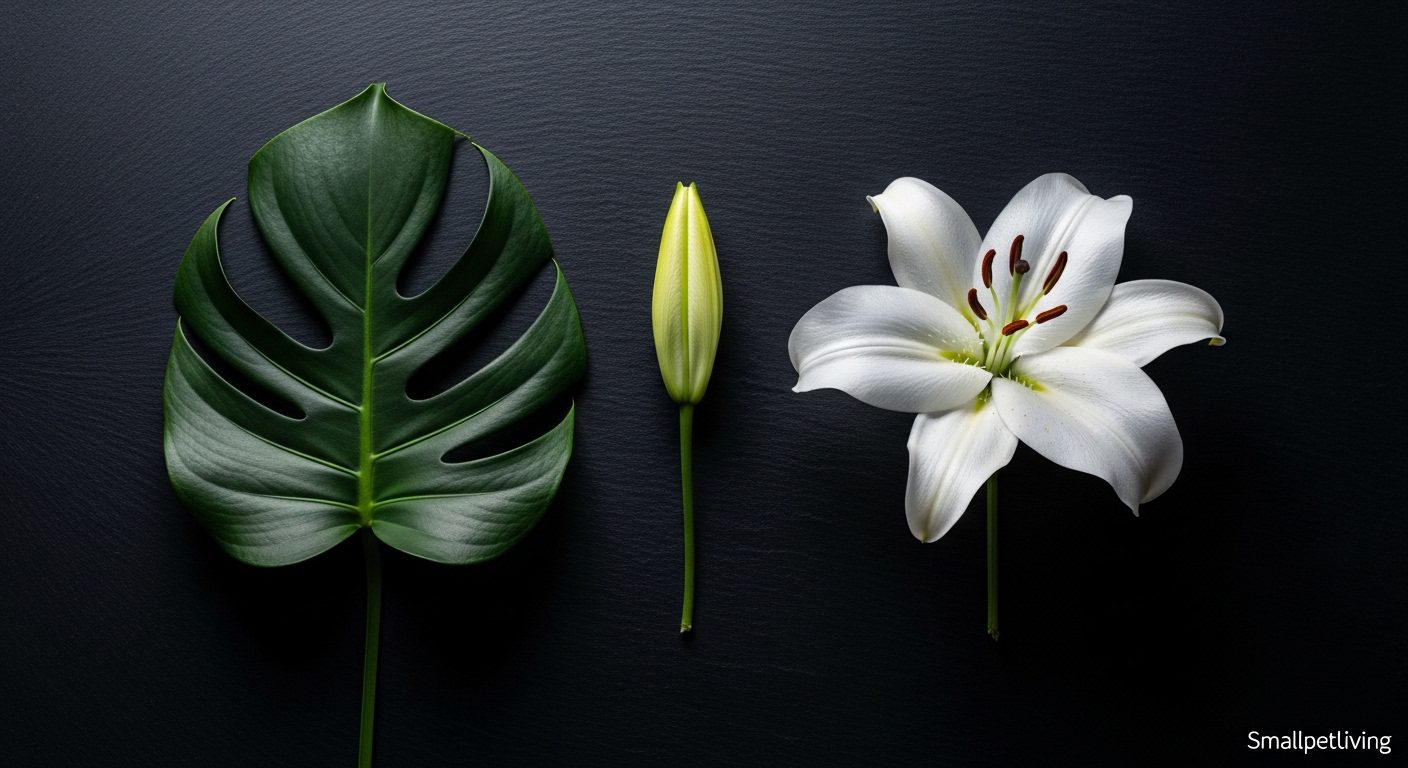
This is arguably the trendiest plant of the decade, beloved for its massive, perforated leaves. However, every part of the Monstera is packed with insoluble calcium oxalates. If your bored apartment cat decides to chew on the stem, they will experience immediate, agonizing oral burning, excessive drooling, and swelling of the throat that can restrict breathing.
2. True Lilies (Lilium and Hemerocallis)
Lilies are frequently found in expensive floral bouquets delivered to high-end apartments. For dog owners, they cause mild stomach upset. For cat owners, they are a lethal weapon. Every part of the Lily—the stem, the petals, the pollen, and even the water in the vase—is highly nephrotoxic to felines. A cat simply brushing against a Lily, getting pollen on its coat, and grooming itself later can suffer acute, fatal kidney failure within 72 hours. Never allow a Lily inside your apartment.
3. The Sago Palm (Cycas revoluta)
Often sold as a cute, miniature palm tree for desks or floor planters, the Sago Palm is deceivingly dangerous, particularly for dogs. It contains cycasin, a highly toxic compound. Ingestion of even a single seed or a small piece of the root can cause severe liver failure, seizures, and death in dogs. The survival rate is terrifyingly low, making it an absolute ban for urban pet owners.
Beyond the Leaves: Hidden Soil and Fertilizer Dangers
Even if you have meticulously selected only pet safe indoor plants for apartments, the danger might still lurk in the pot itself.
The Chemical Threat
Many commercial potting soils are pre-mixed with synthetic fertilizers, moisture-retaining chemical polymers, and systemic pesticides. If a curious dog decides to dig into the soil of your new Cast Iron Plant, they are ingesting a concentrated dose of industrial chemicals.
- The Solution: Always re-pot new plants using 100% organic, pet-safe potting soil. Fertilize your plants using natural alternatives like worm castings or liquid seaweed, avoiding toxic chemical spikes or heavy synthetic granules.
The Fungal Hazard
In climate-controlled, sealed apartments, overwatering indoor plants often leads to the growth of toxic mold and fungal spores on the surface of the soil. This drastically reduces the indoor air quality we strive to protect in our guide on reducing cat dander in closed-air environments. Allow the top two inches of your plant’s soil to dry out completely between waterings to prevent fungal blooms.
Cultivating a Safe Urban Oasis
Mastering the integration of pet safe indoor plants for apartments allows you to elevate your interior design without compromising the sanctity of your pet’s environment. By strictly avoiding toxic trends like the Monstera or Lilies, and instead curating stunning, resilient alternatives like the Calathea, Boston Fern, and Money Tree, you create a vibrant, living space. Remember that true botanical safety extends beyond the leaves to include organic soils and secure placement. With strategic curation, your luxury apartment will seamlessly blend the restorative beauty of an urban jungle with the uncompromising safety your feline or canine companion deserves.
Frequently Asked Questions (FAQ)
Q: If a plant is labeled “non-toxic,” does that mean my pet can eat it freely? A: No. “Non-toxic” simply means the plant does not contain chemical compounds that cause organ failure or systemic poisoning. However, pets are carnivores/omnivores, and consuming a large volume of any raw plant material (even safe ones like Spider Plants) will likely cause mild gastrointestinal upset, resulting in vomiting or diarrhea.
Q: How can I stop my cat from digging in my large floor planters? A: Cats often confuse the loose soil of a large indoor potted plant with a litter box. To deter this, cover the exposed topsoil with heavy, decorative river stones or large pinecones. This eliminates the appealing texture of the dirt without harming the plant’s ability to absorb water.
Q: Are hanging planters completely safe from cats? A: Not inherently. A highly athletic cat will view a hanging planter as a challenge. If the trailing vines of a Spider Plant hang too low, the cat may jump and pull the entire heavy ceramic pot down onto themselves. Ensure hanging plants are mounted securely into a ceiling stud using heavy-duty anchors and are completely out of vertical leaping range.
Q: I love the look of the Monstera. Are there any safe fake alternatives? A: Yes! High-end, hyper-realistic faux plants (made from high-quality silk or BPA-free plastics) are an excellent, zero-risk alternative for the toxic species you love. Just ensure the faux plant is sturdy enough that a dog cannot easily chew off and swallow the plastic leaves, causing an intestinal blockage.
Q: Can I use essential oils to deter my pets from chewing my plants? A: We strongly advise against this. As noted in our advanced feline guides, many popular essential oils (like eucalyptus, tea tree, and citrus) are highly toxic to cats and dogs when inhaled or ingested. Stick to physical barriers or safe, commercial bitter apple sprays designed specifically for pets.
Q: What should I do if my pet eats a plant and I don’t know the species? A: Treat it as a medical emergency. Immediately take a clear photo of the plant on your smartphone. Call your veterinarian or the ASPCA Animal Poison Control Center hotline while en route to the clinic. Do not wait for symptoms to appear; early intervention is the key to surviving acute toxicity.
Q: Are air plants (Tillandsia) safe for apartments with pets? A: Yes, air plants are completely non-toxic and excellent for apartments. However, because they are often placed loosely on shelves or in shallow decorative bowls, they resemble cat toys. Keep them elevated so they aren’t batted under the sofa and destroyed.
Q: Do indoor plants actually clean the air for my pets? A: While NASA studies have shown that plants filter some VOCs, you would need an actual jungle (dozens of plants per room) to significantly alter the air quality of an apartment. Plants are primarily for aesthetic and psychological well-being. For true air purification regarding pet dander and odors, a True HEPA filter is strictly required.
You Might Also Like
- 7 Essential Ways to Protect Dog Joints on Hardwood Floors
- 7 Lifesaving Strategies for Apartment Pet Emergency Evacuation
- 7 Brilliant Ways to Reduce Cat Dander in Apartment Spaces
- 5 Best Space-Saving Dog Crates for Small Apartments
About Smallpetliving
Smallpetliving is the premier digital authority for high-end urban pet ownership. We specialize in providing evidence-based safety strategies, architectural-friendly gear, and advanced management protocols tailored specifically for high-density, high-rise environments. Our mission is to bridge the gap between luxury metropolitan interior design and world-class animal welfare, ensuring your pet enjoys a long, healthy, and uncompromising life in the city.