The quintessential image of a pampered urban pet often features a French Bulldog snoring softly on a velvet sofa or a Persian cat lounging lazily in a sunbeam streaming through a high-rise window. While this sedentary, protected lifestyle shields our companions from the dangers of city traffic and predators, it introduces a silent, pervasive, and deadly epidemic: the “Apartment Caloric Surplus.”
When you transition an animal biologically designed to forage, hunt, and patrol vast territories into a 900-square-foot luxury condo, their daily energy expenditure plummets. If their caloric intake does not drop proportionately, the resulting weight gain is swift and devastating. Learning how to aggressively prevent pet obesity in small apartments is not a matter of vanity; it is the most critical preventative healthcare measure an urban owner can take.
At Smallpetliving, we recognize that loving your pet does not mean indulging them with endless treats. In a confined space, food often becomes the primary source of entertainment for a bored animal, and feeding becomes the easiest way for a busy owner to show affection. This dynamic must be fundamentally re-engineered. High-performance urban pet care requires clinical precision regarding nutrition and a creative, architectural approach to indoor exercise. This comprehensive, evidence-based guide delivers seven crucial, vet-approved hacks that will teach you exactly how to prevent pet obesity in small apartments, ensuring your companion maintains a lean, muscular, and exceptionally healthy physique.
The Clinical Reality of the “Urban Overweight”
To truly commit to weight management, you must understand the severe physiological consequences of even a single extra pound on a small animal. We tend to view a “chubby” cat or dog as cute, completely ignoring the internal metabolic crisis occurring within their bodies.
According to the Global Nutrition Guidelines published by the World Small Animal Veterinary Association (WSAVA), obesity is officially classified as a disease. It is the primary catalyst for osteoarthritis, type 2 diabetes mellitus (especially in cats), cardiovascular disease, and respiratory compromise. Furthermore, fat is not just inert tissue; it is biologically active, constantly secreting inflammatory hormones that degrade the pet’s internal organs over time.
For a dog living in a high-rise, carrying excess weight makes slipping on slick floors catastrophic, an issue we deeply analyzed in our guide on protecting dog joints on hardwood floors. The math is ruthless: a dog without a yard burns drastically fewer calories. To successfully prevent pet obesity in small apartments, we must abandon subjective “eyeballing” of food and adopt a strict, metric-driven protocol.
1. Precision Caloric Management: Ditch the Measuring Cup
The greatest lie in pet nutrition is the standard plastic measuring cup. The feeding guidelines printed on the back of commercial pet food bags are broad estimations, usually calibrated for highly active, intact (un-neutered) animals living outdoors.
The Gram Scale Mandate
If you want to prevent pet obesity in small apartments, you must immediately throw your plastic scoop in the trash.
- The Margin of Error: A “cup” of kibble can vary by up to 20% in caloric volume depending on how tightly you pack it or how large the kibble pieces are. For a 10-pound dog, a 20% daily overfeeding will result in clinical obesity within months.
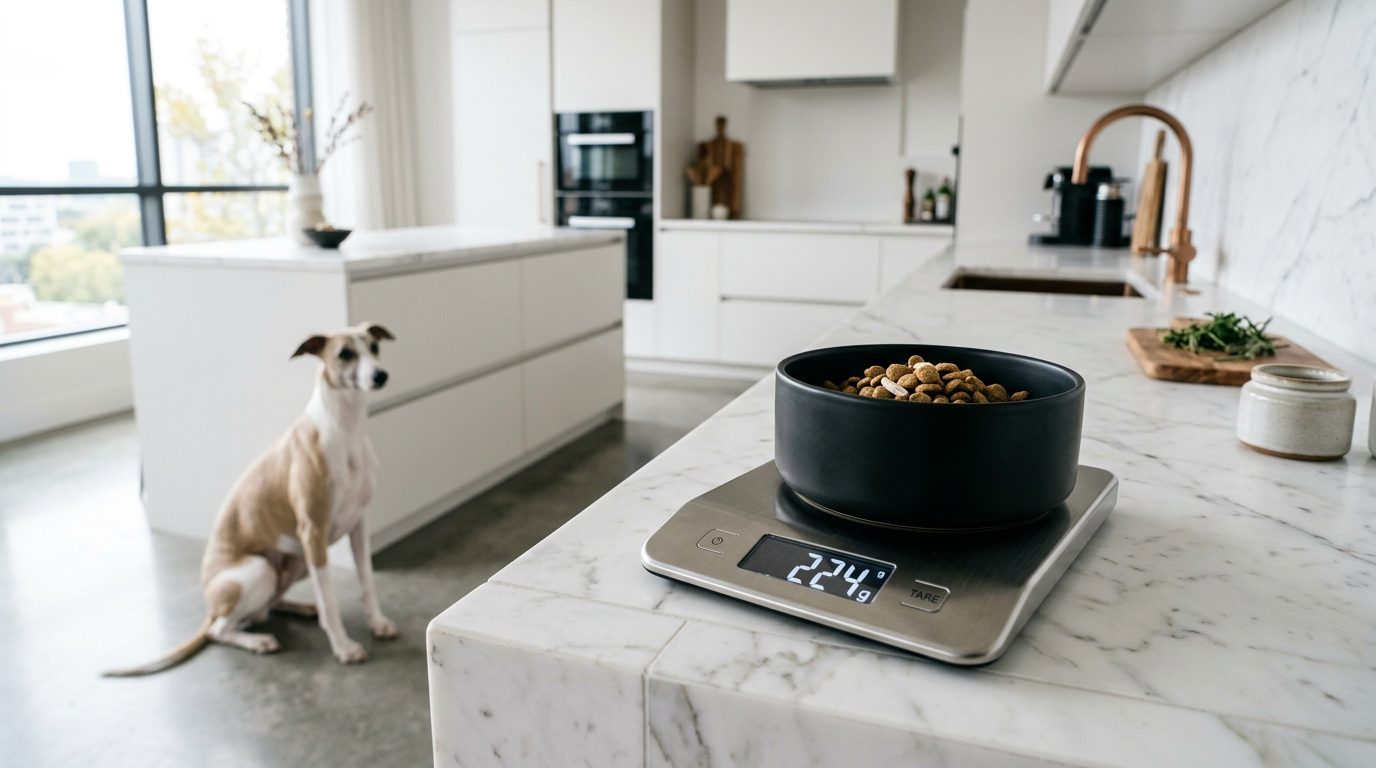
- The Clinical Solution: Purchase a highly accurate digital kitchen scale. Consult your veterinarian to calculate your pet’s precise Resting Energy Requirement (RER) in calories based on their ideal target weight, not their current overweight status. Calculate exactly how many grams of food equals that caloric target, and weigh their meals to the exact gram, every single day.
2. The Eradication of “Free Feeding”
Leaving a large bowl overflowing with dry kibble available 24/7—a practice known as free-feeding—is a guaranteed path to obesity in a small apartment. Animals eat out of boredom. In a static, confined environment, a full bowl is a constant temptation.
Scheduled Nutritional Drops
- The Protocol: Transition immediately to strict, scheduled meal times. For adult dogs, twice a day (morning and evening) is optimal. For cats, whose natural biology dictates eating multiple small prey items throughout the day, utilize a Wi-Fi-enabled automatic microchip feeder to dispense very small, weighed portions 3 to 4 times a day.
- The Benefit: Removing the bowl after 15 minutes teaches the animal that food is a resource that must be consumed on a schedule, regulating their insulin levels and preventing the mindless snacking that destroys their metabolism.
3. The “Work to Eat” Philosophy: Puzzle Feeders
In the wild, felines and canines expend immense physical and mental energy hunting and scavenging. In a luxury apartment, food is delivered in a silver bowl for zero effort. You must reintroduce the concept of the hunt.
Mental Exertion Equals Caloric Burn
Never feed your pet out of a standard bowl again. Every calorie must be earned.
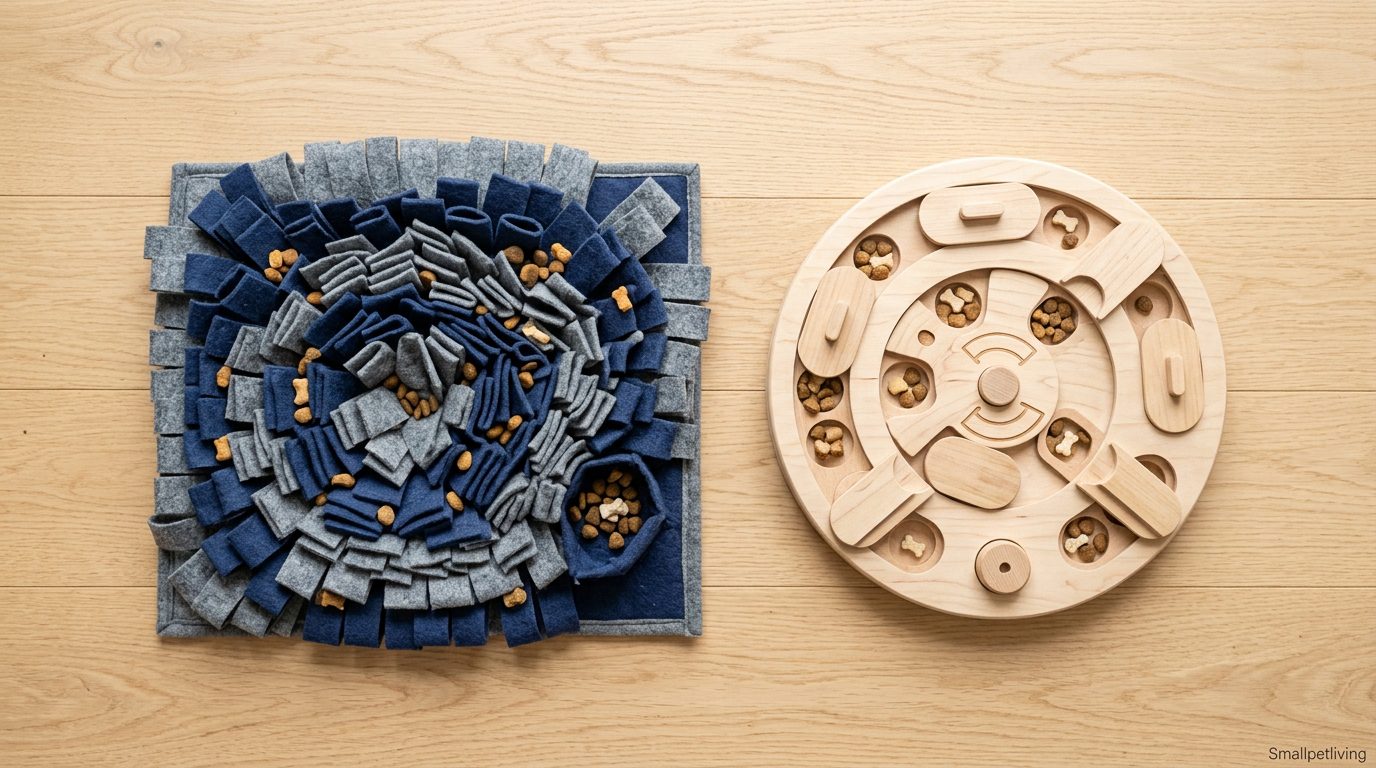
- Canine Solutions: Utilize heavy-duty rubber Kongs stuffed with their daily allowance of wet food and frozen solid. Provide their dry kibble exclusively through intricate wooden puzzle boards (like Nina Ottosson designs) or high-quality fabric “snuffle mats” that force them to use their olfactory senses to forage.
- Feline Solutions: Use “hunting feeder mice”—small plastic capsules filled with a portion of kibble that you hide around the apartment. The cat must physically locate and bat the capsule around to release the food. This 30-minute mental exercise burns significantly more calories than eating from a bowl in 60 seconds.
4. High-Intensity Micro-Workouts (The Corridor Sprint)
You do not need a sprawling backyard to provide cardiovascular exercise. You simply need to leverage the architecture of your building and your apartment’s layout.
Urban Exercise Hacks
- The Hallway Fetch: If your building management allows it, the long, carpeted hallways of your apartment floor are perfect for 10-minute, high-intensity fetch sessions during off-peak hours (late at night or mid-day).
- Vertical Cat Sprints: For felines, utilize the minimalist cat wall furniture we discussed previously. Use a laser pointer or a feather wand to force the cat to sprint vertically up and down the shelves in short, 3-minute bursts. This anaerobic exercise builds dense muscle, which inherently burns more resting calories than fat tissue.
5. High-Protein, Low-Carbohydrate Urban Diets
Many commercial dry kibbles are packed with cheap carbohydrate fillers like corn, wheat, and potatoes. These high-glycemic ingredients spike your pet’s blood sugar, leading to rapid fat storage—especially in pets that do not engage in hours of sustained outdoor running.
Macro-Nutrient Shifting
To actively prevent pet obesity in small apartments, you must scrutinize the macro-nutrients of their diet. Transition to ultra-premium, high-protein, and moisture-rich diets. For cats (obligate carnivores), eliminating dry kibble entirely and switching to a high-quality, grain-free wet food or commercial raw diet drastically reduces their carbohydrate intake and mimics their ancestral metabolic requirements, causing excess weight to melt off rapidly.
6. Bi-Weekly Clinical Weigh-Ins
You cannot manage what you do not measure. Because you see your pet every single day, the gradual accumulation of fat is visually invisible to you until it becomes a severe medical crisis.
The Metric Tracking System
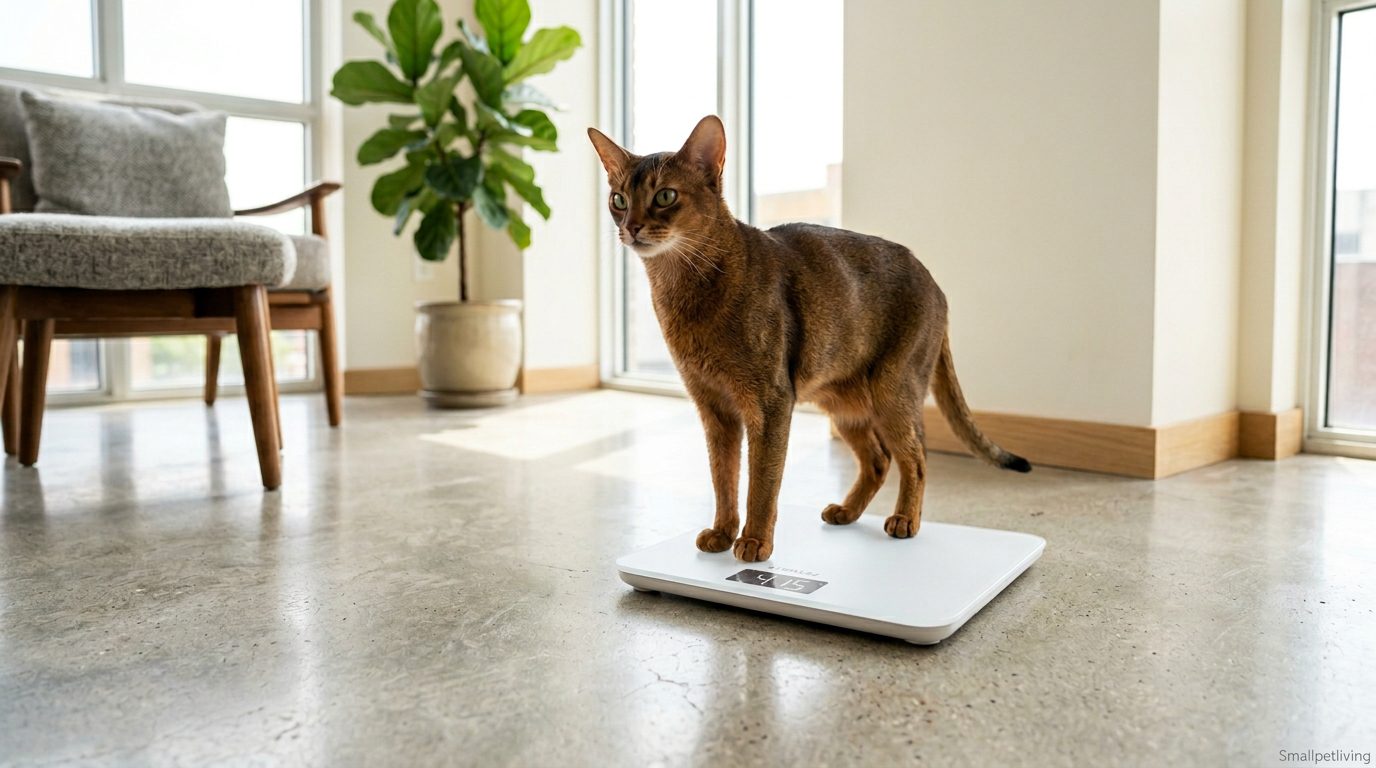
- The Hardware: Do not wait for your annual veterinary checkup to discover your pet has gained two pounds. Purchase a highly sensitive digital baby scale (for cats and small dogs) or a low-profile digital veterinary floor scale (for larger breeds).
- The Routine: Weigh your pet on the 1st and 15th of every month under the exact same conditions (e.g., in the morning, before breakfast). Track the weight in a dedicated spreadsheet. If the trend line moves up for two consecutive weigh-ins, immediately reduce their daily caloric intake by 5% to 10%.
7. The “Treat Budget” and Single-Ingredient Swaps
Treats are the silent saboteurs of urban pet weight loss. A single small piece of cheese or a commercial biscuit given to a 12-pound apartment dog is the caloric equivalent of a human eating two glazed donuts.
Defending the Deficit
- The 10% Rule: Treats must never account for more than 10% of your pet’s total daily caloric intake. If you give treats, you must subtract those calories from their dinner bowl.
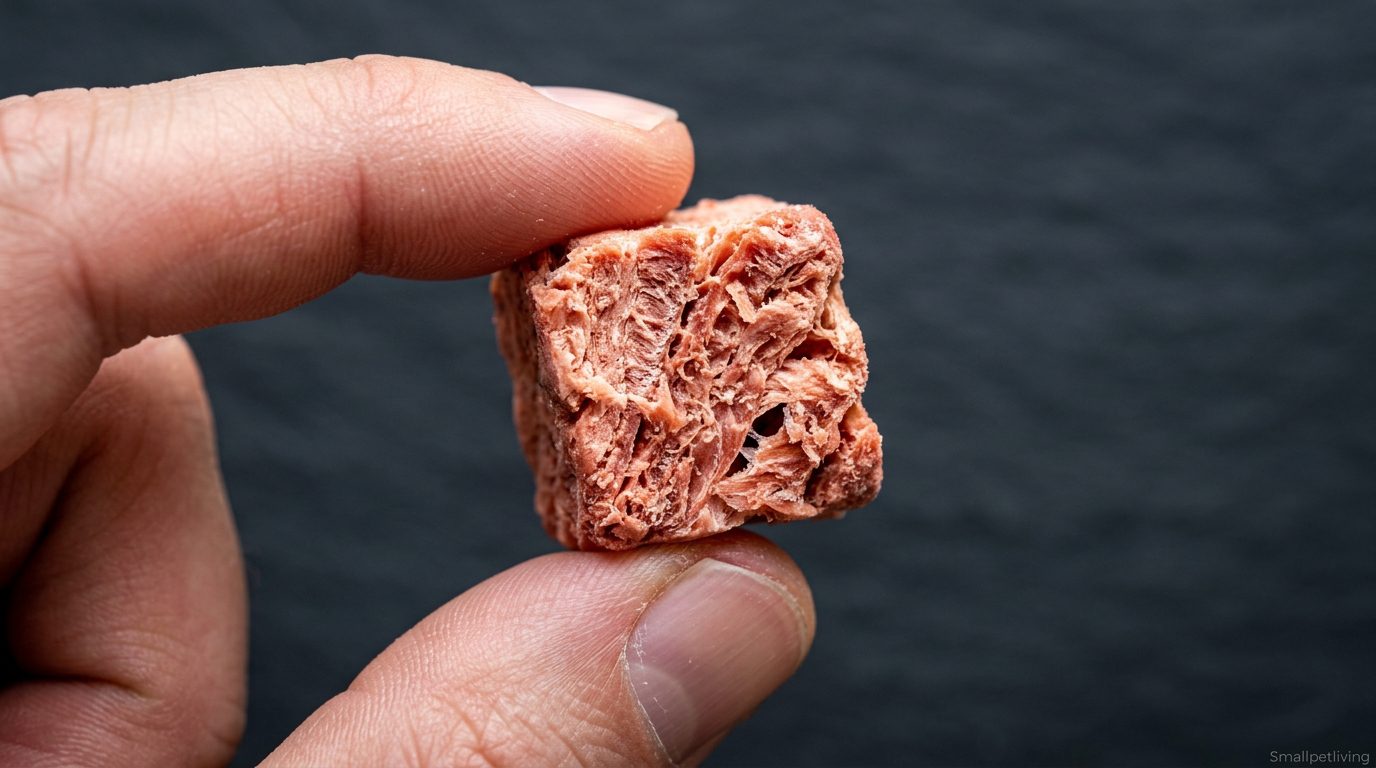
- The Ingredient Swap: Ditch commercial, highly processed treats. Swap them for single-ingredient, low-calorie alternatives. For dogs, use frozen green beans, baby carrots, or small pieces of dehydrated lung. For cats, use single flakes of freeze-dried wild salmon or chicken breast. These provide the emotional reward of a treat without the devastating metabolic impact.
The Ultimate Preventative Care
To successfully prevent pet obesity in small apartments, you must fundamentally redefine how you express love to your animal. Affection must be delivered through dedicated playtime, grooming, and mental enrichment, rather than through excessive caloric rewards. By adopting a clinical, metric-driven approach to their diet—utilizing digital scales, completely eliminating free-feeding, and insisting that they work for their meals through puzzle feeders—you mimic the metabolic demands of their ancestral environment within your luxury high-rise. Keeping your urban pet lean, athletic, and mentally sharp is the highest form of care, guaranteeing them a longer, healthier, and vastly more comfortable life by your side.
Frequently Asked Questions (FAQ)
Q: Can I just take my dog for one long walk on the weekends to burn off the fat? A: No. “Weekend Warrior” syndrome actually causes severe injuries. A dog that is sedentary in an apartment for five days a week does not have the cardiovascular conditioning or joint strength for a sudden, intense 5-mile hike on Saturday. Exercise must be consistent and daily to safely burn fat and build stamina.
Q: Is it safe to put my cat on a “crash diet” to lose weight fast? A: Absolutely not. If a cat loses weight too rapidly, they are at extreme risk for a fatal liver condition called Hepatic Lipidosis (Fatty Liver Disease). Feline weight loss must be painstakingly slow and heavily monitored by a veterinarian, aiming for a loss of no more than 1% to 2% of their total body weight per week.
Q: My dog constantly begs for food, acting like he is starving. What do I do? A: This is behavioral conditioning, not actual starvation. If they beg and you feed them, they learn that begging works. Ignore the begging entirely. To satisfy their urge to chew and feel full, offer low-calorie, high-fiber snacks like frozen green beans, or provide long-lasting, indestructible chew toys that do not contain calories.
Q: Does spaying or neutering my pet make them inevitably fat? A: Spaying and neutering alter an animal’s hormonal balance, which decreases their resting metabolic rate by roughly 20% to 30%. It does not make them fat; overfeeding them after the surgery does. You must proactively reduce their caloric intake immediately following their sterilization procedure.
Q: What is a Body Condition Score (BCS)? A: The BCS is a clinical chart used by veterinarians to assess body fat objectively, usually on a scale of 1 to 9. An ideal score is 4 or 5. You should be able to easily feel your pet’s ribs without pressing hard through a layer of fat, and they should have a visible, tucked-in waistline when viewed from above and from the side.
Q: Are slow-feeder bowls actually effective for weight loss? A: Yes. Slow feeders prevent the animal from inhaling their food in seconds. Eating slower allows the biological signals of satiety (fullness) to reach the brain before the animal overeats. Furthermore, the frustration and mental effort required to extract the food burn additional calories.
Q: If I use a snuffle mat, how do I keep it clean in an apartment? A: In a small, closed-air environment, hygiene is vital. You must purchase a high-quality, machine-washable snuffle mat made from durable fleece. Shake the mat out thoroughly over your trash can after every use, and wash it in hot water on a gentle cycle at least once a week to prevent bacterial growth and rancid oil buildup from the kibble.
Q: My apartment is tiny; I don’t have room for a treadmill. Are there other indoor cardio options? A: For dogs, indoor agility training is excellent. Use broomsticks balancing on books as small hurdles, or teach them to weave between your legs. For cats, attaching a motorized, unpredictable toy to the bottom of a door forces them into intense, short predatory bursts of cardio without requiring any extra floor space.
You Might Also Like
- 7 Essential Ways to Protect Dog Joints on Hardwood Floors
- 7 Lifesaving Strategies for Apartment Pet Emergency Evacuation
- 9 Gorgeous Pet-Safe Indoor Plants for Apartments
- 7 Proven Ways to Calm Apartment Cat Separation Anxiety
About Smallpetliving
Smallpetliving is the premier digital authority for high-end urban pet ownership. We specialize in providing evidence-based safety strategies, architectural-friendly gear, and advanced management protocols tailored specifically for high-density, high-rise environments. Our mission is to bridge the gap between luxury metropolitan interior design and world-class animal welfare, ensuring your pet enjoys a long, healthy, and uncompromising life in the city.