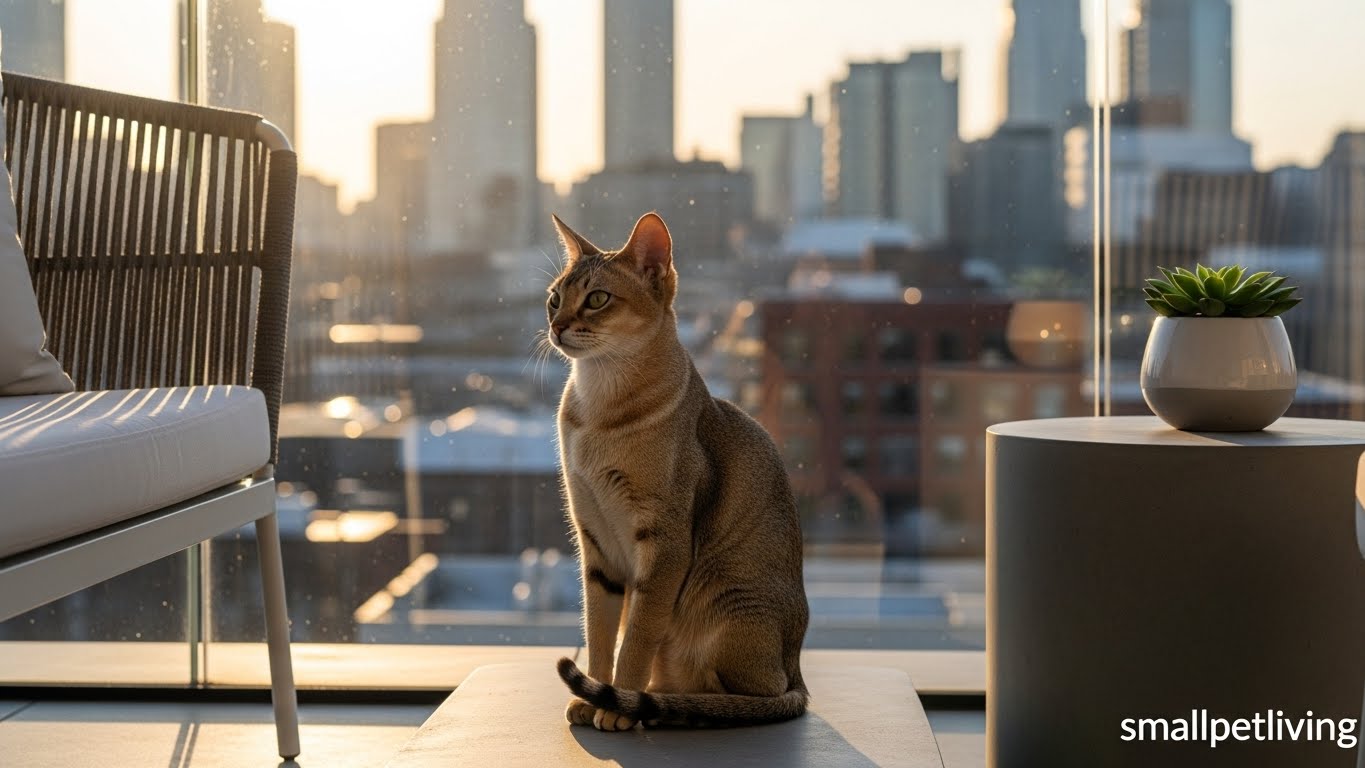
If you’re searching for the best small cat breeds for apartments, you’re likely facing a real dilemma: you want feline companionship, but you live in a compact space with thin walls, limited storage, and zero tolerance for chaos. You don’t need just any cat—you need one that’s naturally calm, minimally vocal, and content in a cozy indoor world.
The good news? Certain small cat breeds are genetically wired for urban tranquility. Backed by feline behavior research from the Cornell Feline Health Center and environmental guidelines from the International Society of Feline Medicine (ISFM), this guide reveals the seven most suitable breeds for stress-free apartment living—each chosen not just for size, but for temperament, shedding, and adaptability to confined spaces.
1. Why the Right Small Cat Breeds for Apartments Solve Problems Before They Start
Choosing the wrong cat for an apartment can lead to noise complaints, shredded furniture, constant shedding, or even behavioral issues like anxiety and aggression. The right breed, however, prevents these problems at the source.
Key traits of an ideal apartment cat:
- Low vocalization (respects shared walls)
- Minimal shedding (critical in enclosed airspaces)
- Moderate energy (no 3 a.m. zoomies across countertops)
- Strong indoor adaptability (thrives without outdoor access)
These aren’t preferences—they’re non-negotiables for urban harmony.
2. Urban Cat Stress: The Silent Issue No One Talks About
Indoor cats in cities face chronic low-grade stress from traffic noise, lack of territory, and sensory deprivation. Over time, this triggers inflammaging—a state of persistent inflammation linked to obesity, dental disease, and depression.
But certain small cat breeds for apartments have calmer nervous systems, making them naturally resilient. Pair that with smart enrichment, and you create a peaceful coexistence—not just survival.
3. #1: Singapura – The World’s Smallest and Most Apartment-Suited Cat
At just 4–6 lbs, the Singapura is the tiniest domestic cat—and one of the quietest. It’s observant, gentle, and thrives on vertical space.
- Temperament: Calm, curious, rarely demanding
- Shedding: Very low (short, ticked coat)
- Noise Level: Almost silent
- Apartment Perk: Loves window perches with city views; follows owners like a quiet shadow
This breed doesn’t just fit in small spaces—it belongs there.
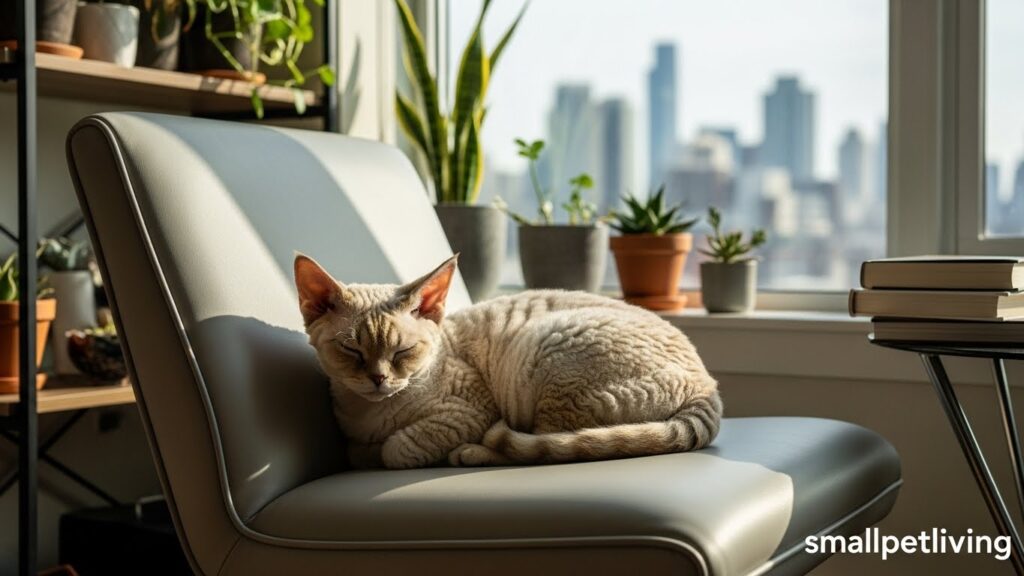
4. #2: Devon Rex – Hypoallergenic, Warm-Loving, and Deeply Affectionate
With elfin ears and wavy fur, the Devon Rex produces less dander, making it one of the best small cat breeds for apartments among allergy-sensitive owners.
- Temperament: Playful yet cuddly; seeks warmth and contact
- Shedding: Almost none
- Noise Level: Soft chirps, never loud
- Apartment Perk: Burrows under blankets or curls beside laptops—ideal for cold city winters
Note: Their thin coat means they seek heat year-round.
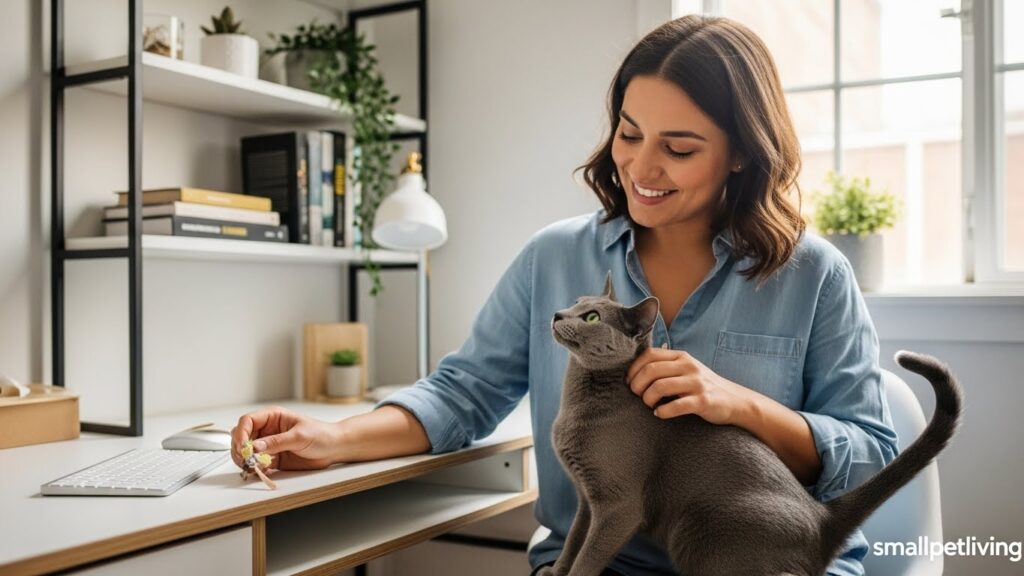
5. #3: Russian Blue – Elegant, Silent, and Self-Sufficient
The Russian Blue is the ultimate companion for introverted or busy urbanites. Reserved with strangers but deeply loyal to their person, they require little maintenance.
- Temperament: Intelligent, calm, independent
- Shedding: Low (dense coat traps loose hair)
- Noise Level: Nearly silent
- Apartment Perk: Entertains itself with simple toys; rarely destructive
Studies show lower baseline cortisol levels—proof of natural stress resilience.
Small Cat Breeds for Apartments: Quick Comparison
| Breed | Adult Weight | Shedding | Noise Level | Ideal For |
|---|---|---|---|---|
| Singapura | 4–6 lbs | Very Low | Quiet | Minimalist, quiet homes |
| Devon Rex | 5–10 lbs | Almost None | Soft | Allergy-sensitive owners |
| Russian Blue | 7–12 lbs | Low | Silent | Introverts, low-maintenance needs |
| Japanese Bobtail | 6–10 lbs | Moderate | Chatty | Interactive, playful households |
| Cornish Rex | 6–10 lbs | None | Expressive | Warm apartments, active bonding |
6. #4: Japanese Bobtail – Playful Yet Highly Adaptable
Don’t mistake energy for unsuitability. The Japanese Bobtail channels its liveliness into games, tricks, and social interaction—never destruction.
- Temperament: Intelligent, loyal, dog-like
- Shedding: Moderate (easy grooming)
- Noise Level: Vocal but melodious
- Apartment Perk: Learns fetch and responds to names—great mental stimulation in small spaces
Perfect for owners who want engagement without chaos.
7. #5: Cornish Rex – Velvety, Energetic, and People-Oriented
The Cornish Rex feels like silk and bonds intensely. Though lively, it’s rarely destructive—making it ideal among small cat breeds for apartments.
- Temperament: Affectionate, mischievous, thrives on attention
- Shedding: Virtually none (no outer guard hairs)
- Noise Level: Soft, expressive sounds
- Apartment Perk: Loves climbing cat trees—maximizes vertical space
Keep your home above 68°F (20°C)—they feel cold easily.
8. Two Kitten-Friendly Picks for First-Time Urban Owners
For those open to raising kittens, two breeds offer gentle dispositions and compact adult sizes:
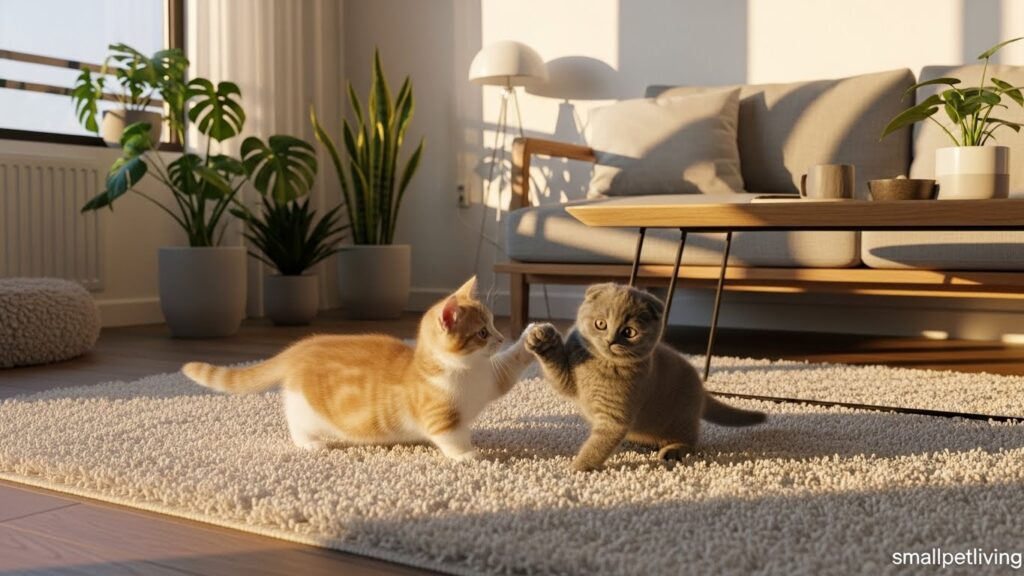
- Munchkin: Stays small (5–9 lbs), sweet-natured. Only adopt from ethical breeders who screen for spinal health.
- Scottish Fold: Calm and round-eyed. Never breed fold-to-fold due to osteochondrodysplasia risk.
Both form intense bonds and adapt quickly to routines—ideal for busy city life.
9. Enriching Your Micro-Apartment: Science-Backed Tips
Even the calmest of the small cat breeds for apartments needs stimulation. Vet-recommended strategies:
- Install wall-mounted shelves at varying heights
- Use puzzle feeders instead of bowls
- Place a bird feeder outside a window (“cat TV”)
- Rotate toys weekly
According to the ISFM, this reduces stress-related behaviors by up to 60%.
10. Long-Term Health: Preventing Inflammaging in Indoor Cats
Indoor cats live longer—but often with hidden inflammation. Combat it with:
- Omega-3-rich diets
- Daily interactive play (mimics hunting)
- Probiotics (supports gut-brain axis)
For evidence-based guidance, see the Cornell Feline Health Center’s Indoor Cat Initiative
FAQ
Q: Are small cat breeds healthier than larger ones?
A: Not inherently—but many small cat breeds for apartments like the Russian Blue have fewer genetic issues when responsibly bred.
Q: Can I keep one in a studio apartment?
A: Absolutely. Breeds like the Devon Rex and Singapura thrive in studios with vertical space and daily interaction.
Q: Do they shed less?
A: Often—especially short-haired types like Singapura or Cornish Rex. Coat type matters more than size.
Q: Which is best for first-time owners?
A: Russian Blue or Devon Rex—both are forgiving, affectionate, and easy to care for.
Q: Are there hypoallergenic options?
A: No cat is 100% hypoallergenic, but Devon Rex and Cornish Rex produce less dander and are better tolerated.