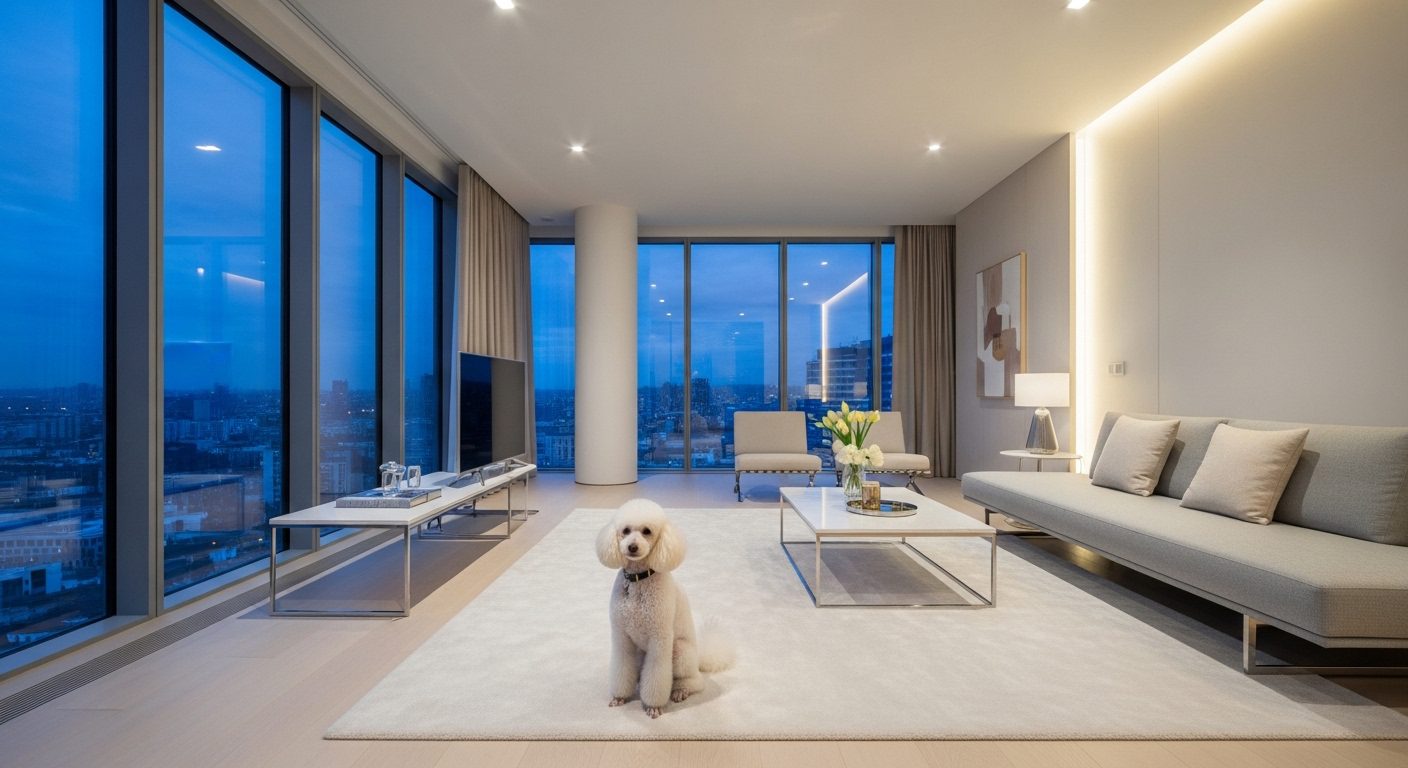
Implementing a strategy around low-shedding dog breeds for apartments is the foundation of a sophisticated, allergen-free urban lifestyle. In the high-stakes world of city living—where your home is often a 500 to 1,200-square-foot sanctuary of curated furniture and minimalist design—the introduction of a shedding pet can feel like an assault on your environment.
Traditional “fur tumbleweeds” don’t just ruin the aesthetic of a polished concrete floor or a velvet West Elm sofa; they compromise the very air you breathe. In modern high-rise buildings with integrated HVAC systems and limited natural cross-ventilation, airborne dander and shed fur become trapped, creating a “bio-load” that can lead to chronic allergies and a persistent “doggy smell.”
At Smallpetliving, we recognize that for the discerning urbanite, a dog is a family member, but a clean home is a necessity. The solution isn’t to work harder at cleaning, but to work smarter by choosing a breed engineered for low-impact living. This guide is a didactic deep dive into the 7 elite breeds that allow you to merge the joy of canine companionship with the standards of a five-star hotel suite.
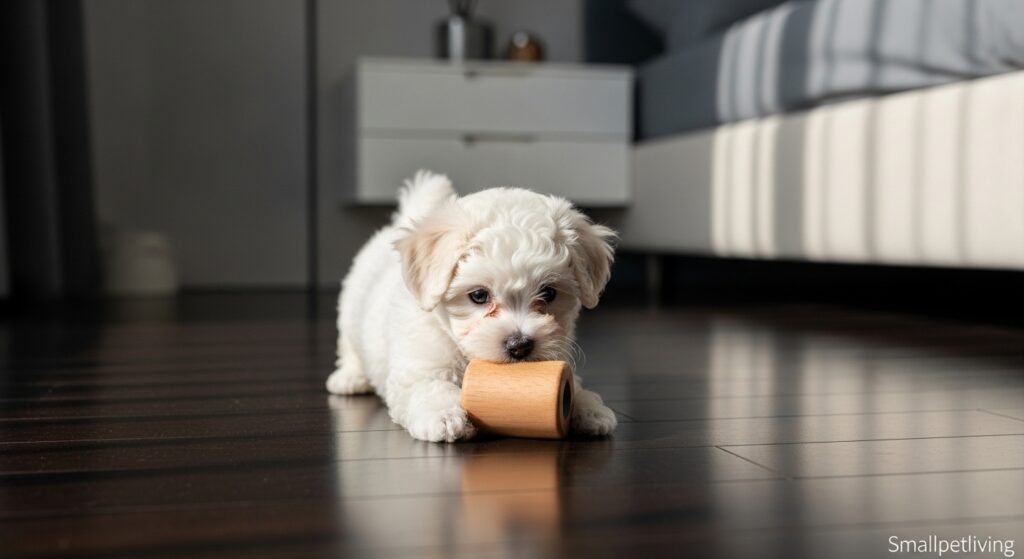
The Biology of the “Clean” Coat: Why Some Dogs Shed and Others Don’t
To solve the problem of pet hair in small spaces, we must first understand the biological difference between “fur” and “hair.” Most high-shedding breeds (like Labradors or Huskies) have a double coat. This consists of a harsh outer layer and a soft, dense undercoat that sheds seasonally (and often year-round) to regulate body temperature.
According to veterinary data from the American Kennel Club (AKC), low-shedding breeds typically possess a single coat or a “hair-based” coat. These strands have a much longer anagen (growth) phase. Instead of falling out once they reach a certain length, the hair continues to grow until it is cut. This is why these breeds are often labeled “hypoallergenic”—they don’t broadcast dander into your living space on the back of falling fur.
In contrast, the low-shedding dog breeds for apartments featured in this guide typically possess a single coat or a “hair-based” coat. These strands have a much longer anagen (growth) phase. Instead of falling out once they reach a certain length, the hair continues to grow until it is cut. This is why these breeds are often labeled “hypoallergenic”—they don’t broadcast dander into your living space on the back of falling fur.
The Elite 7: Low-Shedding Solutions for Every Lifestyle
1. The Toy and Miniature Poodle: The Intellectual’s Choice
The Poodle is the gold standard of low-impact ownership. Their tightly curled hair traps any dander or loose strands within the coat, meaning nothing ends up on your rugs.
- The Problem: People fear the “pompous” look.
- The Solution: A “Puppy Cut” or “Teddy Bear Cut” keeps them looking like adorable, low-maintenance companions.
- Apartment IQ: They are highly trainable, meaning they won’t just keep your home clean; they’ll respect your boundaries and noise rules too.
2. The Bichon Frise: The Cheerful Minimalist
If you want a dog that looks like a plush toy and acts like a ray of sunshine, the Bichon is your breed. They are famous for being nearly 100% shed-proof.
- Didactic Insight: Because they are white, they show dirt easily. This is actually a benefit for apartment owners, as it forces a hygiene routine that keeps your furniture cleaner in the long run.
3. The Maltese: The Silk-Coated Sophisticate
The Maltese offers a glamorous, single-layer coat of silky hair. They lack an undercoat entirely, which is the primary source of the “doggy odor” found in other breeds.
- Urban Compatibility: At under 7 pounds, their “environmental footprint” is the smallest on this list.
4. The Basenji: The “Self-Cleaning” Ancient Breed
Often called the “Barkless Dog,” the Basenji is unique in the canine world. They have a short, fine coat and groom themselves with the meticulousness of a Siamese cat.
- The Solution for Small Spaces: They don’t have that oily “hound smell,” making them ideal for studios with poor ventilation.
5. The Miniature Schnauzer: The Urban Guard
With a wiry topcoat and a soft undercoat that rarely sheds, the Schnauzer is a robust choice for those who want a “big dog” personality in a small, clean package.
- Didactic Insight: Their distinctive beard can trap water and food. A simple “beard-wipe” protocol after meals is all it takes to keep your white sofas safe.
6. The Shih Tzu: The Low-Energy Lounger
Bred for Chinese royalty, the Shih Tzu’s primary job for centuries has been to sit on silk pillows. Their hair is heavy and falls less frequently than lighter fur types.
- The Apartment Fit: They have some of the lowest exercise requirements, reducing the amount of “outside dirt” they bring into your home.
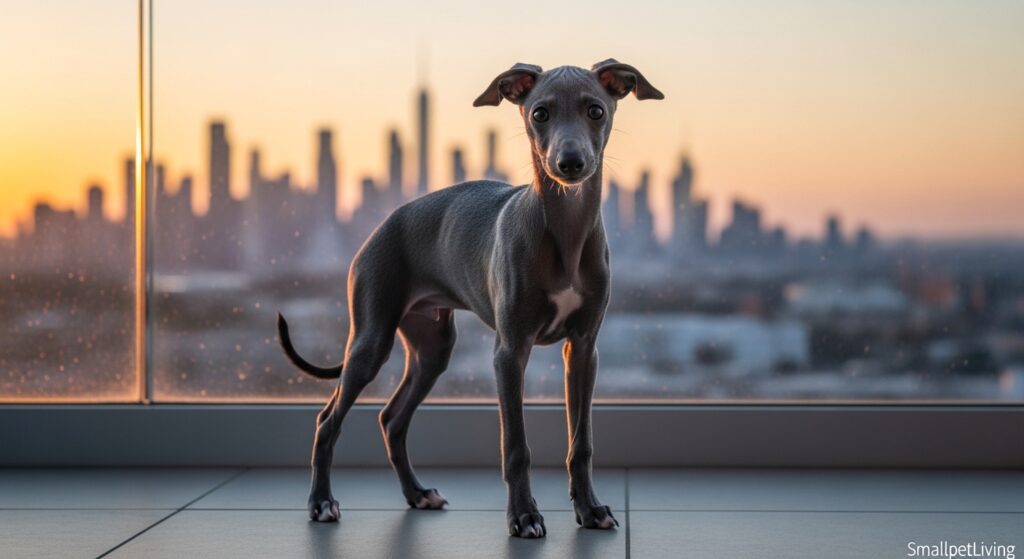
7. The Italian Greyhound: The Sleek Sculptural Companion
For the minimalist who hates grooming as much as they hate shedding, the Italian Greyhound is the answer. Their coat is so thin it’s almost invisible.
- The Solution: They are basically “wash and wear” dogs. They require zero brushing and leave zero hair.
Didactic Protocol: How to Maintain a 10/10 Clean Home
Owning a low-shedding breed is 50% of the battle. The other 50% is the Smallpetliving Maintenance Protocol. Follow these steps to ensure your apartment remains a pristine sanctuary.
Step 1: The “Mud-Room” Transition
Even a dog that doesn’t shed can track in city grime. Create a station at your front door with:
- Waterless Foam Shampoo: To wipe down paws after city walks.
- Microfiber Paw-Towels: To trap allergens before they enter the living room.
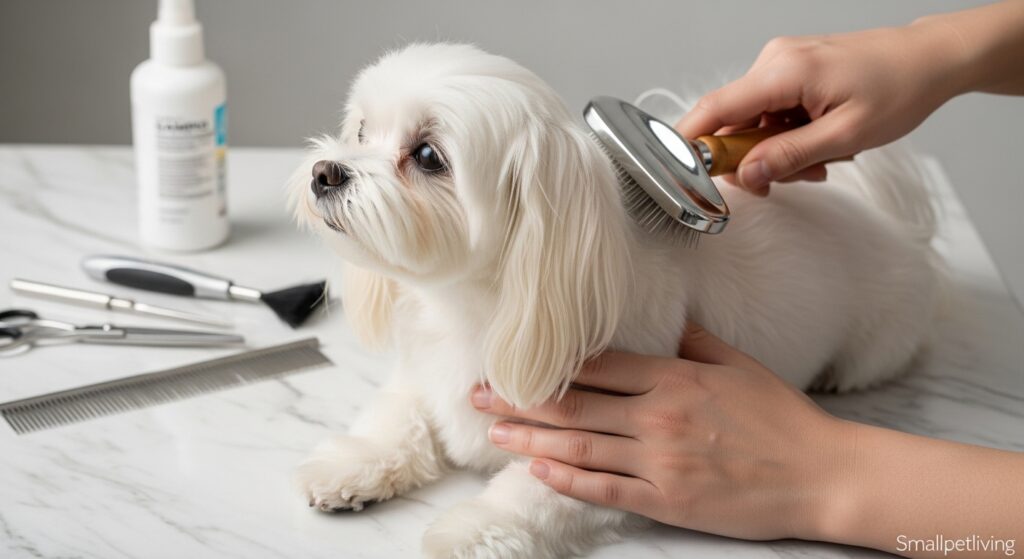
Step 2: The Brushing Trap
The secret to “non-shedding” dogs is that the hair stays on the dog until you remove it. If you don’t brush, that hair mats and traps bacteria.
- The Protocol: Brush your dog 3 times a week. Do this on the balcony or in the bathroom with the fan on. This ensures any loose dander is captured or vented out immediately.
Step 3: High-Tech Air Hygiene
In a small apartment, dander settles quickly.
- The Solution: Invest in a vacuum with a certified HEPA filter. Unlike standard vacuums that exhaust micro-dust back into the room, HEPA vacuums trap 99.97% of particles. Pair this with a high-quality air purifier placed near the dog’s favorite sleeping spot.
The Ultimate Urban Compromise
Choosing from the 7 best low-shedding dog breeds for apartments is about more than just avoiding a mess; it’s about respecting the boundaries of small-space living. By selecting a breed that aligns with your standards for cleanliness and indoor air quality, you prove that urban sophistication and canine companionship can exist in perfect harmony. Your apartment can—and should—remain a fresh, stylish sanctuary.
Frequently Asked Questions (FAQ)
Q: Are these breeds safe for people with severe asthma? A: While low-shedding dogs are much better, we always recommend “trial visits.” Spend 2 hours in a small space with the specific breed to see if your respiratory system reacts to the saliva or dander.
Q: Why does my “non-shedding” dog still have a smell? A: Odor usually comes from the ears or the mouth, not the coat. Low-shedding breeds often have hair in their ear canals that traps moisture. Regular ear cleaning is part of the clean-home solution.
Q: Do I really need a professional groomer every month? A: For Poodles and Bichons, yes. Think of the grooming fee as a “cleaning tax” that saves your furniture and your time. It’s an investment in your apartment’s longevity.
Q: Which breed is best for a tiny 400 sq. ft. studio? A: The Italian Greyhound or the Maltese. Their physical size and low-odor coats make them nearly “invisible” in very small spaces.
Q: Can I keep these dogs if I have expensive silk rugs? A: Yes. Because they don’t have the oily coat of a Retriever, they won’t leave “grease spots” where they lie down.
You Might Also Like
- 10 Best Low-Energy Small Dog Breeds for Apartments
- 5 Best Indoor Grass Pads for Apartment Dogs
- Anti-Bark Training for Apartment Dogs
- 7 Best Small Dog Accessories for Tight Spaces: The Essential Minimalist Guide
About Smallpetliving
Smallpetliving is the premier digital authority for high-end urban pet ownership. We specialize in evidence-based strategies, architectural-friendly pet gear, and breed-specific advice tailored for limited-square-footage environments. Our mission is to ensure that city dwellers never have to choose between a sophisticated home and the joy of a happy pet. We bridge the gap between luxury living and animal welfare.